We Have Found Ways to Make Death Entertaining, But Have We Learned to Make It Meaningful?
I’ve had these thoughts and ponderings year after year since Eden died, as soon as spooky season comes around. At first, I thought I was just sensitive. Nothing new there. I would see creepy mannequins of the little girl from The Exorcist in a nightgown at Home Depot, or on someone’s front lawn, and feel physically repulsed. And rightfully so, I suppose. I was sensitive to just about everything in those first few years of grief. I would take it personally when a neighbour shoved skeleton hands in their garden, so they appeared to be popping out of the dirt. I felt as though it was directed at me.
Don’t they remember I just buried my daughter? How could they be so insensitive?
These days, I’m much more aware that my feelings aren’t the priority of every person I’ve ever encountered. When you’re tender, everything can feel personal. I remember being annoyed of cars driving by, casually to and fro from work and appointments while we returned Eden to the Earth. “How dare the world keep turning!” People carrying on with everyday life, while my life had been turned up-side-down felt offensive. Now, I understand that the world cannot, and should not, have to cater to my grief. But eight years into this grieving journey, I have gained a little perspective, and I’m beginning to realize that what bothers me isn’t simply beacause sensitivity. It’s the incongruency of it all.
For the most part, I think we can agree that North American society is remarkably grief-averse. Death and dying remain largely unintegrated into our everyday lives. We tend to tuck death away, as though setting aside a quiet corner and a short season were enough, assuming the rest of our life would remain unaffected. As if grief could be kept in a box, contained and separated from our daily life- carefully preventing it’s contamination.
As someone who has spent years sitting with families who have lost children, spouses, parents, siblings, and other significant people in their lives, I hear the same thing again and again: grievers feel incredibly isolated. No one wants to talk about their loss because the feel no one wants to hear about it. People don’t know what to say. Conversations become awkward. Friends disappear. And this is especially true when the loss carries additional stigma or discomfort, as with infant loss, suicide, or drug overdose. I don’t think this is coincidental. I think it’s a reflection of a society that simply refuses to make room for death, dying & grief. Home décor stores don’t have signs that say, “Grief lasts as long as love lasts,” or “Sorrow is holy ground.” Instead, we’re surrounded by “Good Vibes Only”, “Live, Laugh, Love” and all the other variations of cheerful encouragement. And while I can happily make room for a little toxic positivity (yes, I said it), I’d like to see an equal amount of space made for the other side of the same coin. There is room for joy and sorrow. For celebration and lament. For beginnings and endings. For the things that make life beautiful and the things that make it unbearably difficult.
Now, enter Halloween.
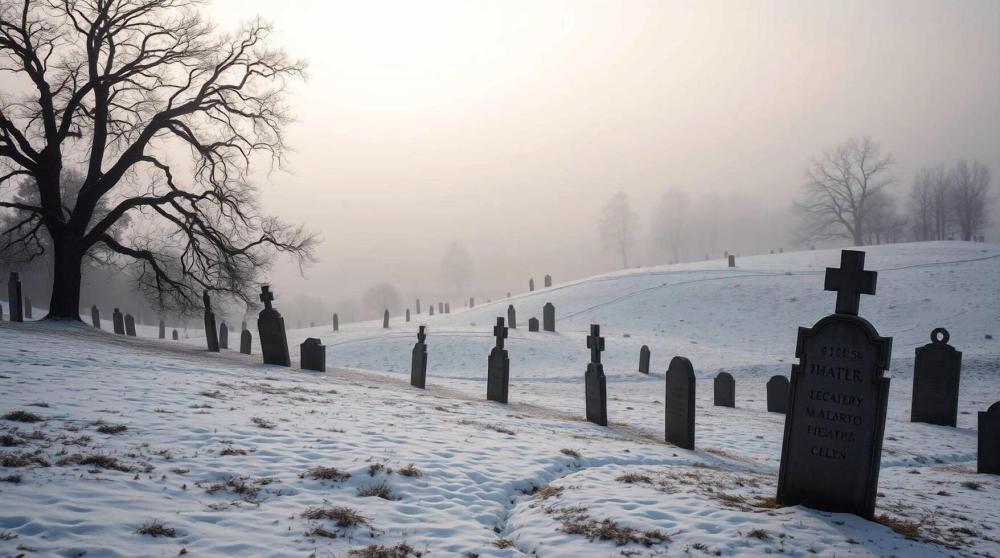
For much of the year, our communities remind us, often unintentionally, just how uncomfortable they are talking about death, dying, and grief. Then October 1st arrives and suddenly, the very themes we’ve spent the rest of the year avoiding are everywhere. Blood, gore, cemeteries, skeletons, graveyards, and gruesome depictions of death become the centerpiece of our decorations and entertainment. It’s almost as though death is perfectly acceptable as a spectacle, but not as a sacred threshold.
And this is where I find myself pondering the cultural contradiction. There are cultures and traditions around the world that have found ways to weave mortality, remembrance, and the presence of those who have died into the fabric of everyday life. In Mexico, Día de los Muertos (Day of the Dead) is a beautiful example. Families create ofrendas, or altars, with photographs, candles, flowers, food, and meaningful objects to honour loved ones who have died. Stories are shared, memories are revisited, and the dead are remembered as an enduring part of family and community life.
There are also Buddhist traditions that incorporate contemplation of death and impermanence into spiritual practice. Practitioners intentionally reflect on the reality that life is temporary, not to become morbid or preoccupied with dying, but to develop greater awareness of how they live. Contemplating mortality can cultivate compassion, humility, gratitude, and a deeper appreciation for the present. Remembering that life is finite can actually make us more attentive to the life we have.
These traditions aren’t without their own complexities, and grief is universal. But they offer something worth considering: what might change if we stopped treating death as an interruption to life and began recognizing it as an inherent part of being human?
Perhaps part of what we’ve lost is the practice of remembering together. There is an interesting history behind this time of year, particularly within the Christian tradition. Allhallowtide (literally means Holy Season) encompasses All Hallows’ Eve (October 31), All Saints’ Day (November 1), and All Souls’ Day (November 2). These days have traditionally offered a rhythm for honouring the saints, martyrs, remembering the faithful departed, and contemplating our own mortality. I find it interesting that some of the traditions and imagery we now associate almost exclusively with Halloween have connections to a much broader history of remembering the dead and reflecting on the temporary nature of our lives.
Somewhere along the way, we have retained the imagery but lost the deeper invitation of intagration and reflection.
Because remembering those who have died isn’t simply something we do for them. It is something we do for ourselves, our families, and our communities. When we tell stories about people who have died, speak their names, celebrate anniversaries, and include them in our family traditions, we aren’t stuck in our grief. We’re allowing our relationships to continue in a different form. Remembering someone we love doesn’t mean we’re refusing to move forward. Making room for their memory at our tables and in our conversations is one way we continue to acknowledge the relationships that have shaped us. To let love continuously grow.
And when we do this things with intention, we give others the permission to do the same. Perhaps this is where the conversation becomes even bigger than grief. Mortality isn’t simply something that happens at the end of life. It’s a reality a companion that accompanies us from the beginning.
John O’Donohue puts it perfectly:
“I don’t believe that death comes at the end of life. I believe your death was there at your birth with you. It was the unknown presence, every step on the road of your life, your death is beside you.”
There is something profoundly important about allowing the awareness of our own mortality to influence how we live. It can change how we spend our time, how we love people, what we prioritize, and how we respond to suffering. There is a difference between being preoccupied with death and allowing an awareness of death to deepen your appreciation of life. We’ve become accustomed to grieving behind closed doors and keeping our losses from making other people uncomfortable. But grief was never meant to be a solitary experience. When shared, it can teach us so much- if only we make room for it. What might it look like to experience grief and remembrance in community, with support sustained long after the funeral? How would that have changed your grief experience?
I want to know why, when death is sacred, when it is holy, when it weighs on us like a millstone around our neck, we struggle to allow it space to take hold and teach us. Why, when our encounters with death can offer something vital – connection, empathy, wisdom, and a deeper understanding of what it means to be human – we run in the other direction? Why are we so willing to decorate our homes with skeletons but remain intentionally distant sitting vigil as a loved one dies? How can we casually turn our front yard into a gruesome graveyard and somehow feel profoundly uncomfortable when someone’s real-time grief spills into their everyday life? How can we welcome the Halloween Hyperbole but not even tolerate the quiet presence of real grief?
The irony is striking.
I’m not upset that Halloween exists, and I don’t mean this as an accusation. These are just honest musing of a women with her finger on the pulse of grief and loss in her community. I’m not opposed to people celebrating Halloween, enjoying the theatrics, or having a little fun with it’s dark themes. I don’t want to take that away from anyone. I am simply saddened by the disparity.
We have found ways to make death entertaining, but have we found ways to make it meaningful?
Author’s note:
Today I work with bereaved families through EvenTide End-Of-Life Support. If you find yourself in the midst of grief or your own end of life journey, I would love to hear from you. You are not alone.


Yes, so true!! Thank you for sharing this. I feel the same about our culture.
LikeLike